Finding a dependable equipment rental service Toledo contractors and homeowners can rely on means bypassing corporate brokers to secure physical machinery quickly. Whether clearing frozen ground in Franklin Park, leveling dense silty clay along the Maumee River basin, or staging utility compactors near the Warehouse District, our machinery fleet arrives job-ready without hidden dispatch fees or administrative runarounds.
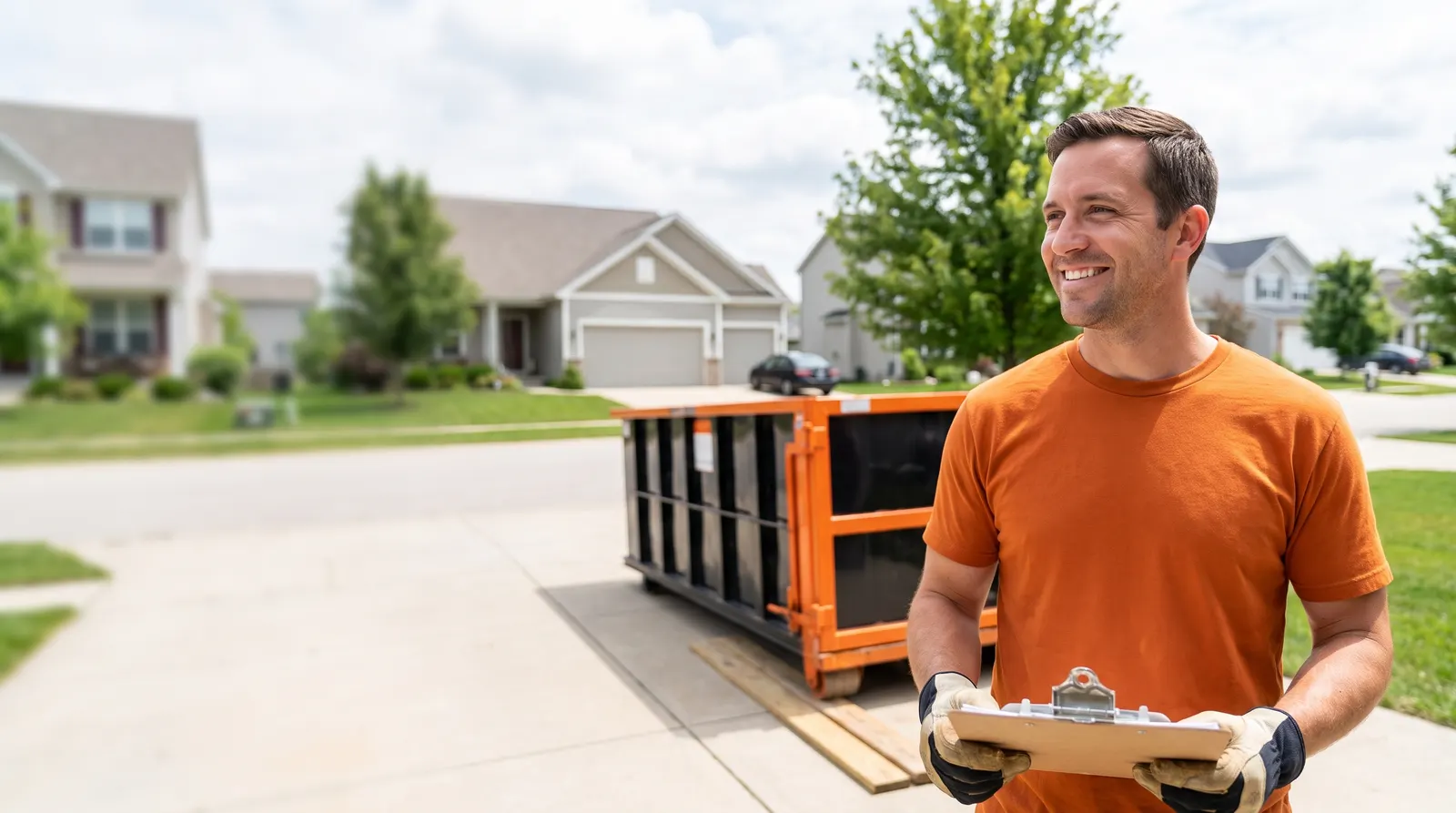
An equipment rental service in Toledo is an operational machinery dispatch provider that supplies contractors, remodelers, and property owners with heavy excavation, compaction, and site tools on flexible short-term or seasonal leases.
Every service reflects the same meticulous attention to detail, whether it's a single job or a larger equipment rental service project across Toledo.
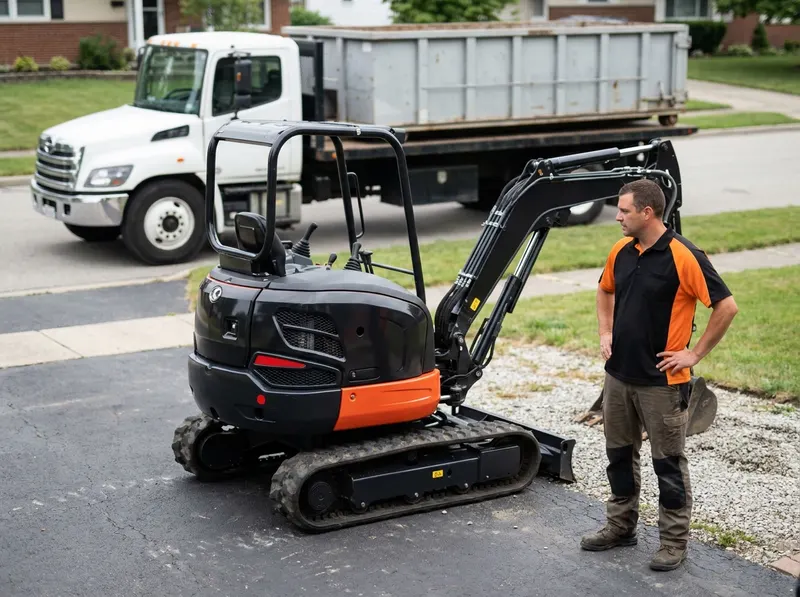
Compact mini excavators ranging from 3,500 lbs to 18,000 lbs allow precision trenching, foundation footing excavation, sewer lateral replacements, and waterline repairs in tight Toledo backyards without disturbing adjacent property fencing. Featuring zero tail swing configurations, independent boom swing capabilities, and high-traction rubber tracks, these compact diggers exert ground pressures under 4.5 psi to navigate over residential lawn areas without tearing established turf. Units support quick-coupler attachments including 12-inch trenching buckets, 24-inch grading buckets, and hydraulic breakers for chipping away legacy concrete pads in confined urban lots across West Toledo.
Get a quote →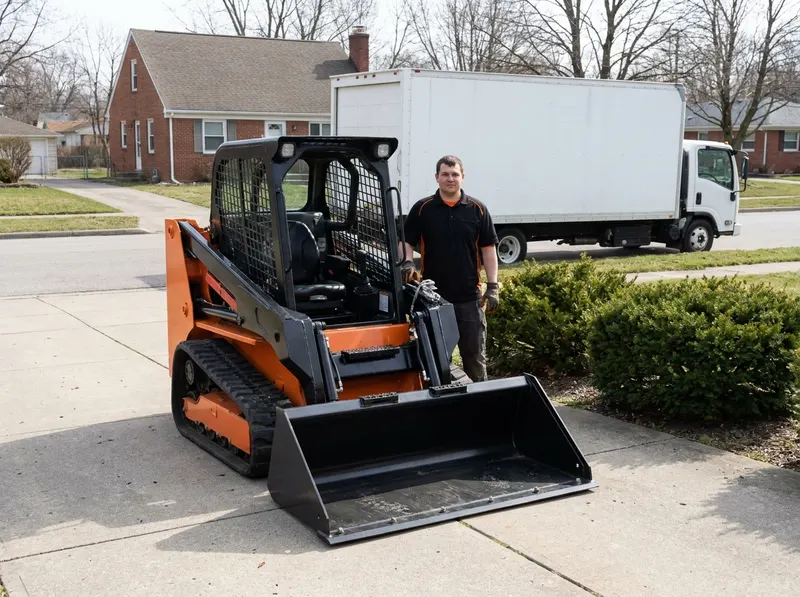
Rubber-tracked skid steers offer exceptional flotation over soft Northwest Ohio clay, delivering high-performance breakout force for earth leveling, gravel spreading, sub-base preparation, and site debris clearing without rutting manicured turf. Equipped with high-flow auxiliary hydraulics and wide-stance track undercarriages, these compact track loaders maintain stability on slick, muddy grades common along Point Place and low-elevation sectors near the Ottawa River. Buckets can be swapped rapidly for hydraulic augers, pallet forks, or soil conditioners to adapt seamlessly to changing residential remodeling and commercial site development demands.
Get a quote →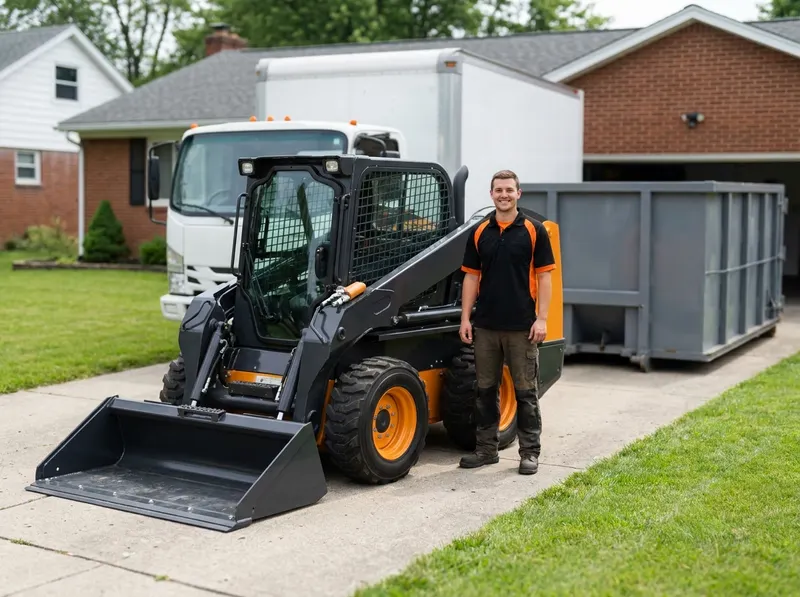
Traditional four-wheel skid steers supply high-speed travel on paved surfaces, asphalt milling cutouts, concrete slabs, and industrial staging pads across Lucas County commercial yards and roadway repair sites. Featuring heavy-duty pneumatic or solid puncture-proof tires, wheeled loaders offer tight spin-turn agility in paved storage yards, Warehouse District parking lots, and loading docks where abrasive ground surfaces would rapidly wear expensive rubber tracks. Their rapid transport speeds accelerate bulk material transfers between street staging zones and work faces on street utility repair projects.
Get a quote →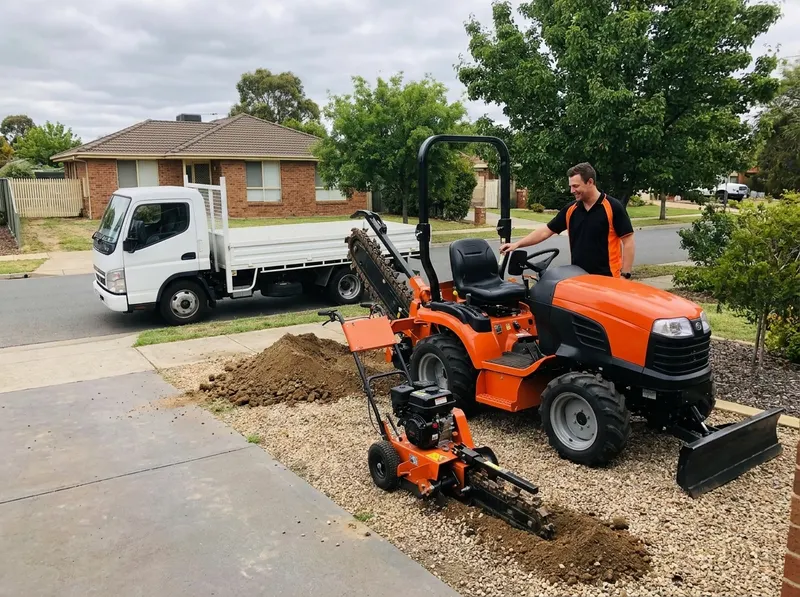
Dedicated walk-behind and ride-on trenching units deliver clean 24-inch to 48-inch deep utility cuts for electrical conduit, gas connections, irrigation systems, and perimeter drainage tile, drastically reducing the excavation footprint compared to standard backhoe buckets. Outfitted with aggressive carbide rock-and-dirt combo chains, these specialized digging units slice through dense clay, embedded gravel, and root zones without pulling up expansive swaths of surface turf. Adjustable crumber shoes ensure clean, flat-bottomed trench channels ready for municipal Lucas County utility pipe bedding without extensive manual shovel cleanup.
Get a quote →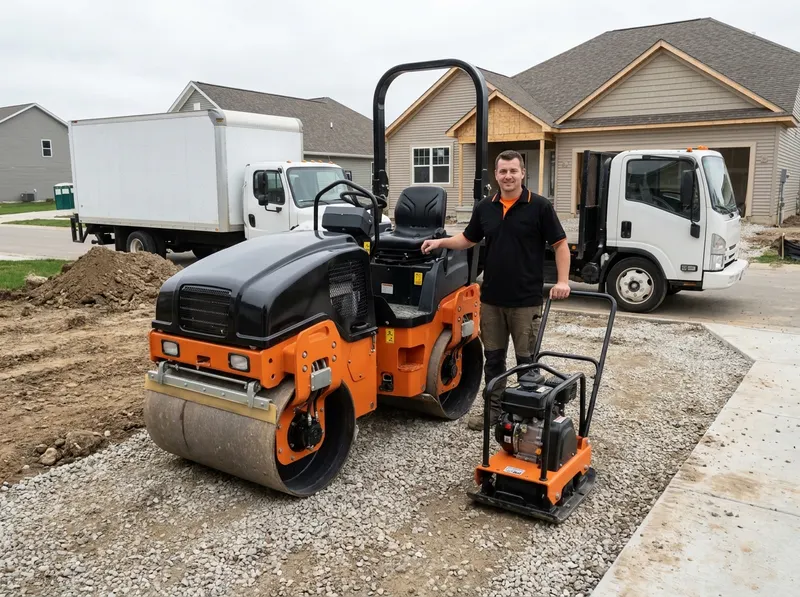
Smooth-drum vibratory rollers, padfoot soil compactors, and heavy-duty reversible plate tampers provide deep soil compaction, aggregate base stabilization, and asphalt sub-base preparation to prevent post-pour settling on driveway replacements, commercial parking lots, and municipal sidewalks. With centrifugal compaction forces scaling from 3,000 lbs on forward plate units to over 15,000 lbs on ride-on vibratory rollers, these machines eliminate air voids in native silty soils and crushed limestone aggregate bases. Water sprinkling systems prevent hot asphalt sticking during driveway resurfacing projects throughout Franklin Park and Beverly neighborhoods.
Get a quote →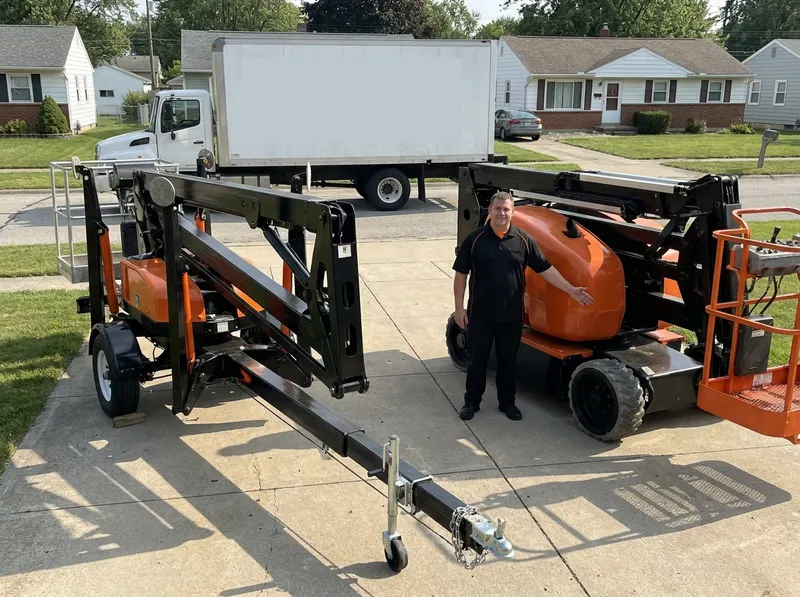
Articulating towable cherry pickers and self-propelled rough-terrain personnel platforms provide safe working heights from 35 feet to 60 feet for residential tree clearance, roofing jobs, historical facade tuckpointing, commercial signage repairs, and exterior painting. Designed with proportional electro-hydraulic controls and telescoping upper booms, these units reach up and over architectural setbacks common to historic Victorian homes in the Old West End. Outrigger interlock systems and automatic self-leveling basements ensure secure platform positioning on uneven turf, gravel driveways, or sloped roadside shoulders.
Get a quote →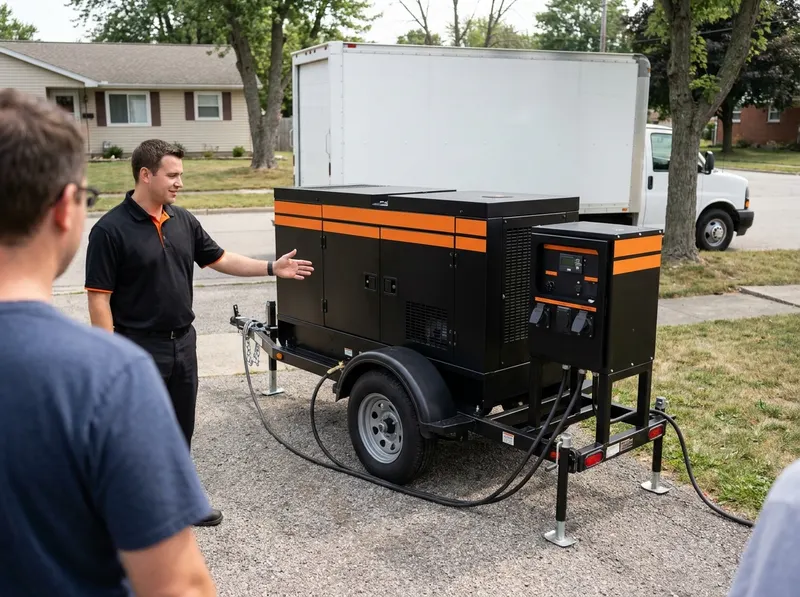
Towable diesel generator systems and portable job-site power units deliver temporary 5kW to 70kW single- and three-phase electricity for remote utility repairs, structural drying blowers, emergency electrical outages, and unpowered new builds across newly platted residential subdivisions. Housed in sound-attenuated, weather-resistant acoustic enclosures, these Tier 4 Final diesel generators operate quietly below 68 dBA at 23 feet, complying with Lucas County municipal noise ordinances during early morning utility cuts. Integrated large-capacity fuel cells provide up to 24 hours of continuous runtime under full electrical load.
Get a quote →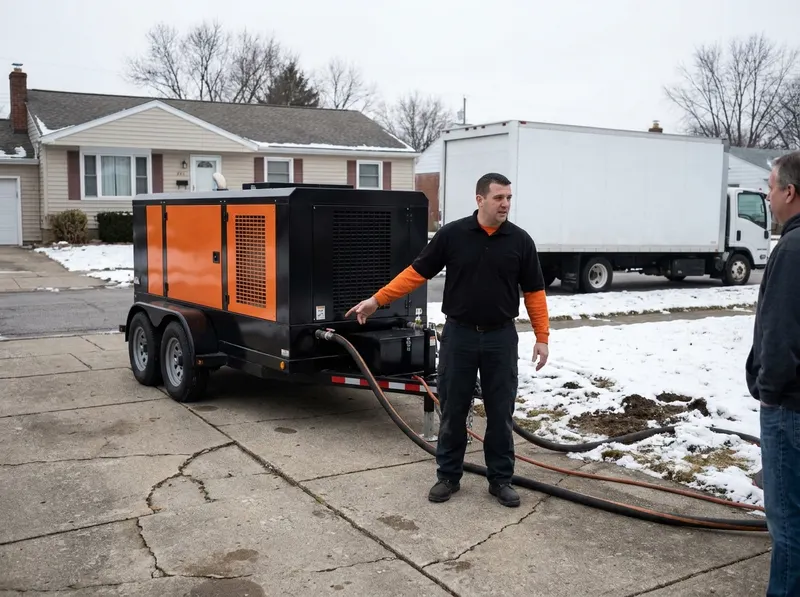
Industrial hydronic thawing units circulate heated propylene glycol through heavy-duty hoses laid across frozen winter ground, allowing structural concrete flatwork, masonry footings, and underground utility repairs to proceed safely during deep-freeze conditions. Capable of thawing up to 6,000 square feet of deep permafrost down to a depth of several feet or curing large structural foundation pours under insulated vapor barriers, these units prevent freeze-thaw surface scaling on winter construction projects in Toledo. Sealed closed-loop fluid systems eliminate job-site contamination and operate unattended with digital temperature control readouts.
Get a quote →You get a firm, itemized quote for your equipment rental service before any work begins, no surprises, no pressure.
Careful prep, tidy work, and a full cleanup when we are done. We treat your home and belongings like our own.
The same trusted, background-checked team from the first call to the final check.
Selecting the right equipment hinges on matching digging depth, lifting capacity, site access limitations, and regional soil behavior against tight project timeline requirements. 5-ton mini excavator equipped with zero tail swing and rubber tracks; if you need to bulk-grade a multilot commercial parcel, excavate complete residential basements, or clear deep commercial footings along the commercial strips of Reynolds Corners, choose a 15-ton to 20-ton tracked excavator. The trade-off is maneuverability, low surface pressure, and narrow gate passage versus bucket breakout force, cycle speed, and maximum trenching reach.
If your crew requires continuous bulk loading, material redistribution, and backfilling inside confined residential property boundaries, choose a compact rubber-track skid steer to deliver low ground pressure and eliminate surface rutting across soft Lucas County topsoil; if your job entails utility trench backfilling, asphalt patch transport, or concrete demolition cleanups across hard street cuts in East Toledo, choose a rigid wheeled skid steer for faster road transport speed and lower tire wear across abrasive surfaces. The trade-off centers on sensitive surface preservation and mud traction versus surface transport velocity and tire operating costs. When deciding between stationary hydronic ground heaters and portable direct-fired space blowers during December through February sub-zero periods, choose hydronic ground heaters if you are thawing native clay sub-base prior to pouring structural foundations in South End to prevent freeze-thaw settling and concrete curing failures; choose enclosed heated work platforms or high-output forced-air blowers if you are hanging interior drywall, curing architectural coatings, or setting structural framing inside wind-sheltered job envelopes in Beverly.
The trade-off is exterior ground penetration depth through deep frost lines versus aerial interior volume heating and personnel comfort. If you must cut narrow utility lines for residential secondary power runs or landscape drainage through tight turf corridors, choose a walk-behind dedicated trencher instead of a mini excavator bucket; the walk-behind trencher delivers a clean, narrow 4-inch to 6-inch trench that minimizes landscape restoration costs, but it cannot handle large subsoil boulders or dig out structural tree roots. Matching the machine profile directly to soil compaction levels, gate dimensions, overhead line clearances, and hauling logistics eliminates unnecessary mobilization expenses and keeps regional job sites compliant with municipal standards.
Every project gets a firm, written price after a free on-site visit. Ranges below for orientation.
Tell us about your equipment rental service job and we'll send a clear, written quote, usually the same day. Or just call and talk to a real Toledo pro.
(419) 754-0598
Navigating heavy machinery logistics across Toledo requires actively managing tight alley turning radiuses in the historic Old West End, high water tables along Point Place, and the extremely dense, moisture-holding silty clay subsoils common across Lucas County. Standard deliveries are coordinated around municipal clearance limitations near the Ottawa Park perimeter, historical bridge weight postings, and high-traffic downtown commercial corridors adjacent to Fifth Third Field and Imagination Station. Moving heavy tracked excavators or articulated loaders over historic sandstone curbs and aged residential asphalt requires specialized staging techniques; our operations utilize tandem-axle transport trailers equipped with timber outrigger pads and heavy rubber track mats to distribute gross transport weight and protect private curbs and concrete approach ramps from stress cracking. During spring freeze-thaw cycles along the Maumee River basin, soft ground conditions can quickly trap undersized or wheeled machinery, making wide-track loaders with low ground pressure essential for early-season utility grading. In older industrial corridors near the National Museum of the Great Lakes and East Toledo shipping docks, working on cracked aggregate or unreinforced legacy pads necessitates careful machine footprint matching to avoid structural slab failure during heavy equipment positioning. Local transit timing also takes into account regional arterial bottlenecks along I-75, the I-475 loop, and Anthony Wayne Trail, allowing machinery drop-offs to occur on schedule before municipal work crews and morning trade traffic fill neighborhood access lanes.
Free estimates for Toledo & the surrounding area.
 Load & Go Dumpster Rental